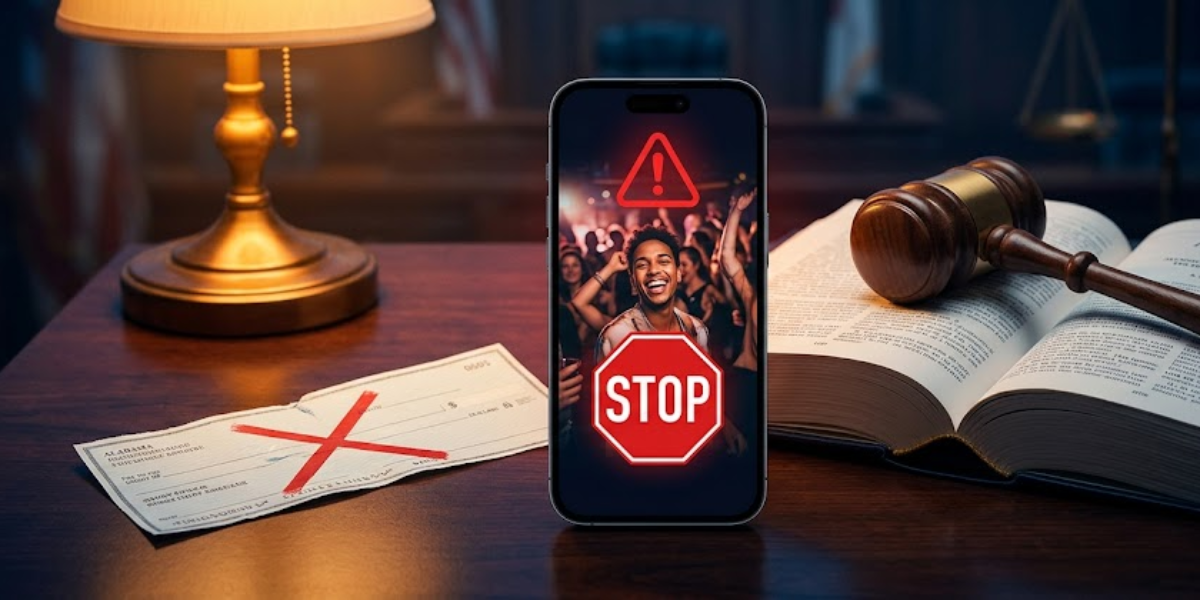
The immediate aftermath of a severe motor vehicle crash on I-565, University Drive, or Memorial Parkway is disorienting and painful. Once the sirens fade and you return home from Huntsville Hospital, the instinct to update concerned friends and family on Facebook or Instagram is completely natural.
You want to assure your loved ones that you survived, share a photo of your damaged vehicle, or perhaps express your frustration about the negligent driver who caused the collision. However, sharing these updates online is one of the most damaging mistakes you can make during a pending legal claim.
Insurance adjusters monitor digital footprints closely, searching for any detail they can twist to deny liability. The reality is that your public profiles, digital presence, and even private messages are heavily scrutinized during litigation. Staying completely offline is the only guaranteed way to protect your legal rights and secure the financial recovery you deserve.
How Do Insurance Adjusters Use Social Media Against Alabama Injury Victims?
Insurance adjusters routinely monitor public social media platforms to gather evidence against auto accident victims. They actively search for photographs, status updates, or comments that contradict your reported physical injuries or suggest you share fault for the crash. This surveillance provides defense attorneys with ammunition to deny your compensation entirely.
Insurance companies are highly profitable entities driven by risk management and statistical modeling. They do not easily hand over large compensation checks for medical bills or lost wages. When a claims investigator receives notice of a new collision, one of their first steps is to run a comprehensive background check on the victim, which heavily relies on digital surveillance. Adjusters comb through every accessible platform, searching for inconsistencies between your medical records and your public life.
A single photograph can devastate your legal standing. Suppose your treating physician at North Alabama Medical Center diagnoses you with a severe herniated disc, restricting you from lifting heavy objects or engaging in strenuous physical activity. If an insurance adjuster finds a recent tagged photo of you picking up your child, swinging a golf club, or carrying groceries, they will immediately argue that you are exaggerating your injuries.
The defense representation will use this digital evidence to challenge your credibility in front of a judge or jury. They will claim that your physical trauma is minimal and that you do not require ongoing physical therapy or future medical care.
Furthermore, insurance adjusters look for context clues in the background of images, such as the date they were posted versus the date they were taken. Even if a photo is a throwback from years prior, the defense will attempt to confuse the timeline, forcing your legal counsel to spend valuable time and resources dismantling their bad-faith assertions.
Are Private Social Media Accounts Discoverable In Alabama Courts?
Yes, setting your social media accounts to private does not completely shield your content from opposing legal teams. Under Alabama law, defense attorneys can legally compel you to produce private posts, photographs, and direct messages if they can demonstrate that the digital information is relevant to your personal injury claims.
A widespread misconception among injury victims is that adjusting privacy settings on Facebook, X, or TikTok offers absolute legal protection. Many believe that if an insurance adjuster cannot publicly view their profile, their digital footprint is entirely secure. The reality of civil litigation operates very differently. When you file a personal injury lawsuit, you are placing your physical, emotional, and financial condition directly into the spotlight.
During the formal discovery process, the opposing defense counsel possesses the legal authority to subpoena electronic data. They can draft specific interrogatories demanding access to your private archives, direct messages, and hidden timelines. If a judge determines that the requested information could contain details about the motor vehicle crash or your resulting physical limitations, the court will issue an order forcing your legal team to hand over the data.
Attempting to conceal this information is not an option. You cannot simply refuse a lawful discovery request because the content is set to private. The legal standard favors the broad exchange of information to ensure neither side is surprised during a potential trial.
How Does Rule 26 of the Alabama Rules of Civil Procedure Apply to Digital Evidence?
Rule 26 of the Alabama Rules of Civil Procedure governs what evidence opposing counsel can request during litigation. It permits the discovery of electronically stored information, meaning your digital footprint is subject to legal scrutiny. If social media content is proportional and relevant to the collision, courts generally allow discovery.
The formal exchange of evidence is heavily regulated by specific procedural frameworks. The foundation of this process lies within the state’s procedural guidelines governing discovery. Under Rule 26 of the Alabama Rules of Civil Procedure, parties may obtain discovery regarding any nonprivileged matter that is relevant to any party’s claim or defense. This explicitly encompasses electronically stored information.
Relevance and proportionality are the two key legal standards applied here. If you are claiming severe emotional distress and loss of enjoyment of life following a crash in Florence, a judge will likely rule that your private social media posts are highly relevant. Your digital presence serves as a real-time diary of your emotional and physical state.
The types of electronic data subject to legal discovery include:
- Private direct messages across all platforms
- GPS location data and app check-ins
- Deleted photographs that remain on platform servers
- Fitness tracker data synced to social accounts
- Timestamps and metadata embedded in uploaded videos
Your legal representation can file protective orders to limit overly broad requests, preventing the defense attorney from executing a fishing expedition through years of unrelated personal data. However, any digital content created in the immediate aftermath of the incident is almost certainly discoverable.
What Is an Admission by Party Opponent Under Alabama Evidence Rules?
Under Alabama Rule of Evidence 801(d), anything you post online about your crash can be classified as an admission by a party-opponent. This specific legal exception allows opposing counsel to introduce your out-of-court digital statements directly into evidence during a trial to undermine your credibility and dismantle your liability arguments.
In civil litigation, the things you say outside of the courtroom are generally considered hearsay and are inadmissible as direct evidence. Hearsay rules exist to prevent unreliable, second-hand information from influencing a jury. However, the legal system recognizes several strict exceptions to this rule, and social media activity falls squarely into one of the most dangerous categories for an injury victim.
According to the Alabama Rules of Evidence, statements made by a party to the lawsuit can be used against them by the opposing side. When you post a comment on a local news article about the traffic backup on University Drive, or reply to a friend’s comment on your timeline, you are creating a permanent, written record.
Defense attorneys scour comment sections looking for polite apologies, expressions of guilt, or misremembered details. A simple comment like, ‘I just didn’t see him stop,’ or ‘I was so tired driving home,’ is legally classified as an admission by a party-opponent.
The defense will present these exact screenshots to the judge at the Madison County Courthouse, arguing that your own words prove you caused the collision. These offhand comments bypass standard hearsay protections entirely, serving as direct, undeniable evidence that actively damages your burden of proof.
How Can a Simple Photo Trigger Alabamas Contributory Negligence Trap?
Alabama enforces pure contributory negligence, meaning you recover nothing if you are even one percent at fault for the crash. Posting a photograph that implies you were distracted, tired, or speeding provides the opposing insurance carrier with the exact evidence they need to apply this harsh legal doctrine against you.
Resolving auto accident claims in this state is uniquely challenging due to an exceptionally strict liability standard. The vast majority of jurisdictions across the country operate under comparative fault rules, where compensation is simply reduced by a driver’s percentage of blame. Alabama, however, follows the rigid doctrine of pure contributory negligence.
Under this standard, if a judge or jury determines you are even one percent responsible for the events leading to the collision, you are entirely barred from recovering any financial damages. The insurance company does not have to prove you caused the crash; they only have to prove you contributed to it in the slightest possible way.
Social media is the primary tool adjusters use to trigger this legal trap. If you post a photo of your dashboard showing your speedometer, or upload a video indicating you had one drink at dinner before driving, the defense team will seize upon it immediately. They will argue that your momentary distraction or slight impairment was the proximate cause of the incident. Because the financial stakes are absolute, claims investigators will twist any available digital narrative to assign that fatal one percent of blame to you.
Can Checking In at Local Huntsville Businesses Harm My Injury Claim?
Checking into local restaurants or entertainment venues while supposedly recovering from severe injuries severely damages your credibility. Insurance investigators track location data and check-ins to argue that your physical condition is not as debilitating as claimed, ultimately giving them leverage to reduce your final financial settlement or deny it altogether.
Modern applications actively encourage users to broadcast their exact location. Whether you are checking into a popular restaurant in downtown Huntsville or tagging a local gym in Madison, you are generating a precise digital timeline of your movements. This metadata is highly problematic when you are simultaneously claiming that your physical injuries restrict your daily activities.
Suppose your legal team submits a demand letter asserting that your spinal injuries require extensive bed rest and prevent you from sitting for extended periods. If an insurance investigator pulls a report showing you checked into a movie theater or a local sporting event that same weekend, the contradiction is glaring. The adjuster will immediately flag the file for potential fraud.
Location tagging provides defense attorneys with the exact dates and times needed to subpoena security footage from those local businesses. They will meticulously review the tape to observe how you walk, stand, and interact when you believe no one is watching. Even if you pushed through immense pain just to attend a family dinner, the defense will frame your attendance as proof that you have reached maximum medical improvement and require no further financial compensation.
What Should I Tell Family Members Asking About the Crash Online?
You should politely ask family members not to discuss your collision on any public platform. If relatives ask for updates online, send them a direct, private text message or call them directly. Opposing attorneys monitor the comment sections of your relatives just as closely as they watch your personal profile.
Following a severe trauma, well-meaning friends, extended family, and coworkers will naturally seek updates on your condition. They often take to your public timelines, leaving comments asking for details about the crash, the extent of your injuries, or the status of your vehicle. While their concern is genuine, their digital inquiries create a significant vulnerability for your legal case.
The defense representation does not limit their surveillance to your personal profile alone. They actively identify your spouse, parents, siblings, and close friends, monitoring their accounts for any secondhand information regarding your recovery. If your spouse posts an update stating, ‘Thankfully, it is just a minor sprain and we are heading home,’ the insurance company will use that statement to dispute later medical bills for required orthopedic surgeries.
To protect your claim, you must establish strict communication boundaries:
- Never reply to questions about the collision in public comment sections.
- Delete threads where family members speculate about who was at fault.
- Ask your inner circle to refrain from posting photos of you during your recovery.
- Instruct loved ones that all updates will be provided via private phone calls or secure group text messages.
- Remind your family that the opposing counsel is watching their digital footprint, too.
By moving all conversations to private, secure channels, you eliminate the risk of an innocent comment being weaponized in the Lauderdale County Courthouse.
Can Deleting Old Posts Protect My Personal Injury Case?
You should never delete old social media posts or photographs after a collision occurs. Deleting digital content during active or pending litigation is legally considered spoliation of evidence. Judges severely penalize individuals who intentionally destroy electronic records, which can permanently ruin your chances of securing a favorable court verdict.
When clients learn how dangerous their digital footprint is, their immediate reaction is often to scrub their profiles clean. The instinct to log in and delete photographs, controversial comments, or check-ins is strong. However, altering your accounts after an incident occurs is one of the most fatal errors you can commit during a liability investigation.
The legal system requires all parties to preserve relevant information once litigation is reasonably anticipated. Intentionally destroying, hiding, or altering electronic data is known as spoliation of evidence. If the defense attorney discovers that you deleted a post complaining about your brakes failing a week before the crash, they will immediately file a motion for sanctions against you.
Courts take the destruction of evidence incredibly seriously. If a judge determines you committed spoliation, they can issue an adverse inference instruction to the jury. This means the judge will explicitly tell the jury to assume that the deleted evidence was highly damaging to your case. In severe instances, the court may dismiss your lawsuit entirely, completely barring your ability to seek financial recovery. The safest course of action is to leave existing posts exactly as they are and simply stop adding new content.
How Long Should I Suspend My Social Media Activity After an Alabama Collision?
You should completely suspend all social media activity until your legal claim officially concludes. Remaining entirely offline prevents aggressive insurance adjusters from twisting your innocent updates into malicious legal arguments. Discuss the appropriate timeline for returning to normal digital habits with your legal representation once your final settlement check clears.
The duration of a personal injury claim varies drastically based on the severity of the trauma, the clarity of liability, and the willingness of the insurance carrier to negotiate a fair resolution. Some straightforward claims settle in a matter of months, while complex litigation requiring expert testimony can extend well over a year. Throughout this entire timeline, your digital silence must remain absolute.
Under state law, specifically Alabama Code Section 6-2-38, injury victims have a two-year statute of limitations to file a formal lawsuit. During this window, medical treatments are ongoing, evidence is being gathered, and demand letters are drafted. Any activity online during this highly sensitive period provides the defense with fresh ammunition.
Do not reactivate your accounts simply because a verbal agreement was reached during mediation. The legal process is not finalized until the official release of liability is signed, the complex subrogation liens are resolved, and the funds are disbursed from your attorney’s trust account. Only after your legal counsel confirms that the matter is entirely closed should you consider returning to your standard digital habits. Even then, you must never discuss the confidential terms of your financial settlement online.
Protect Your Legal Rights with Hodges Trial Lawyers
Managing the aftermath of a severe crash is physically exhausting and financially overwhelming. The last thing you need is a stubborn insurance adjuster twisting your innocent online activity to deny the compensation required for your medical care. The skilled attorneys at Hodges Trial Lawyers have deep roots serving injury victims in Huntsville, Florence, and throughout the surrounding North Alabama communities.
If you or a loved one has been injured by a negligent driver, do not let the insurance company control the narrative. Contact us today to schedule a free, confidential consultation. Let our experienced legal team manage the complex litigation so you can focus entirely on your physical recovery.
Frequently Asked Questions
Can my attorney help me manage my social media accounts during litigation?
Yes, your legal representation will provide specific instructions on how to secure your digital footprint immediately after taking your case. They will advise you on updating privacy settings and establishing strict communication boundaries to ensure you do not inadvertently harm your pending claim.
What happens if someone else posts photos of my car accident?
You cannot control the actions of bystanders or local news outlets who upload images of the crash scene to public platforms. However, you should never engage with, share, or comment on these posts, as defense attorneys monitor these public threads for any statements you might make regarding liability.
Can insurance companies access deleted Facebook messages?
While adjusting privacy settings hides content from the public, platform servers often retain data long after it is deleted by the user. During formal discovery, opposing counsel can draft specific subpoenas compelling the platform or your legal team to produce archived messages if they are deemed highly relevant to the case.
Do I have to give my account passwords to the defense attorney?
No, you are never required to hand over your personal passwords or direct login credentials to the opposing insurance company. Any exchange of digital information must go through the formal discovery process, where your attorney will review the requests and file protective orders against overly invasive demands.
Can I post about things unrelated to my physical injury?
Even posts completely unrelated to your physical injuries can be weaponized by claims investigators. A seemingly harmless update about attending a social event or going on a brief weekend trip can be used to argue that your emotional distress and physical limitations are not as severe as your medical records indicate.