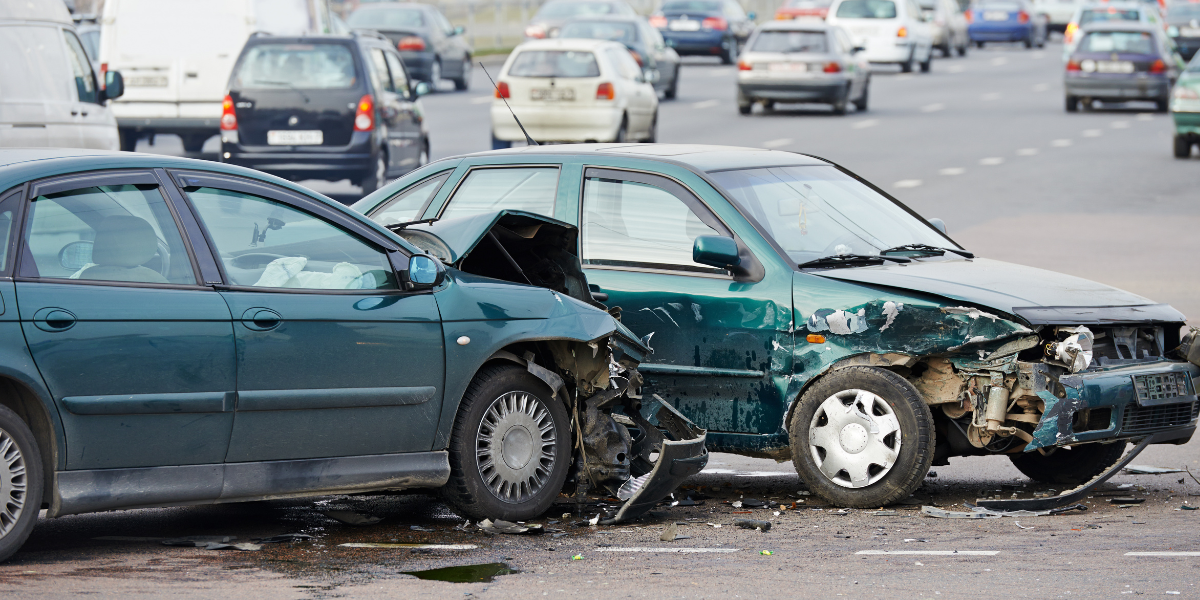
The aftermath of a motor vehicle accident on high-traffic North Alabama routes like Memorial Parkway or I-565 often leaves victims facing a critical fork in the road regarding their legal recovery. Once the initial shock of a collision near the Bridge Street Town Centre or the University of Alabama in Huntsville subsides, the focus shifts toward securing the compensation needed to cover mounting medical bills and lost wages from missed shifts. This path typically leads to a choice between negotiating a settlement with the insurance company or pursuing a verdict through a full civil trial. Knowing the fundamental differences between these two legal outcomes is essential for making an informed decision.
Defining the Paths to Recovery in Alabama
In the context of Alabama personal injury law, there are two primary ways a car accident claim concludes: a settlement or a verdict. While both are intended to provide financial relief for your injuries, they differ fundamentally in how they are reached, the time they take, and the level of control you maintain over the final number.
A settlement is a voluntary, contractual agreement between the injured party and the at-fault driver’s insurance company. In this scenario, you agree to accept a specific sum of money in exchange for releasing the defendant from any further liability. Most car accident claims in Alabama resolve this way because it offers a guaranteed outcome and a faster resolution than the alternatives.
A verdict, conversely, is the final decision rendered by a judge or jury following a formal trial. If negotiations with insurers fail to produce a fair offer, your legal team may file a lawsuit in the Circuit Court of the county where the accident occurred, such as Lauderdale County or Madison County. A verdict is not a negotiation; it is a legal command based on the evidence presented in the courtroom.
What Are the Main Differences Between a Settlement and a Verdict?
The main difference between a settlement and a verdict is that a settlement is a private, voluntary agreement reached outside of court, while a verdict is a public, legally binding decision made by a judge or jury after a trial. Settlements offer faster, guaranteed compensation and privacy, whereas verdicts can result in higher awards but involve significantly more risk, time, and public exposure.
Knowing these distinctions is vital for any accident victim:
- Control over Outcome: In a settlement, you and your attorney have the final say on whether to accept an offer. In a trial, the decision-making power shifts entirely to twelve strangers on a jury.
- Speed of Payment: Settlements can often be finalized within weeks or months of reaching Maximum Medical Improvement (MMI). A trial verdict in North Alabama can take a year or longer to reach, especially if the court docket is crowded.
- Privacy vs. Public Record: Settlement terms are typically confidential. A verdict becomes a matter of public record, meaning the details of your injuries and the amount awarded can be accessed by anyone.
- Finality and Appeals: Once a settlement is signed, the case is over. A jury verdict can be appealed by either side, which could potentially add years to the process before you see any funds.
How Does Alabama’s Contributory Negligence Law Affect the Choice?
Alabama is one of the few remaining states that adheres to the doctrine of pure contributory negligence. This strict rule states that if a plaintiff is found to be even 1% at fault for the accident or the worsening of their condition, they are legally barred from recovering any compensation at all. This “all or nothing” environment heavily influences whether a case should settle or go to trial.
Insurance adjusters frequently weaponize this law during negotiations. They may analyze traffic patterns at busy intersections like Jordan Lane and Holmes Avenue to find any reason to shift a fraction of the blame onto you. If there is even a small risk that a jury might find you slightly responsible, a settlement provides a safety net that a trial does not. However, if the evidence of the other driver’s 100% fault is undeniable, such as a rear-end collision while you were legally stopped, pursuing a verdict may be the most effective way to seek the full value of your claim.
Why Do Most Alabama Car Accident Claims Settle Out of Court?
Most Alabama car accident claims settle because it provides a guaranteed financial recovery without the high costs and inherent unpredictability of a jury trial. For victims receiving treatment at facilities like Huntsville Hospital or North Alabama Medical Center, the immediate need for funds to cover medical liens often makes the speed and certainty of a settlement more attractive than the “all-or-nothing” risk of a trial.
Several factors contribute to the high rate of settlements in our region:
- Expense Management: Taking a case to trial involves high costs, including expert witness fees for accident reconstruction or medical professionals from Crestwood Medical Center.
- Predictability: A settlement allows you to know exactly how much you will receive to pay off Blue Cross and Blue Shield of Alabama liens and other subrogation interests.
- Emotional Toll: Trials require victims to relive the trauma of the accident on the witness stand and undergo aggressive cross-examination by defense counsel.
- Incentive for Insurers: Insurance companies often prefer to settle to avoid the risk of a “runaway jury” awarding a sum that far exceeds their initial offer.
The Role of Maximum Medical Improvement (MMI) in Timing
Regardless of whether your case ends in a settlement or a verdict, timing is everything. A claim should never be finalized until you reach Maximum Medical Improvement (MMI). This is the point where your treating physician determines your condition has stabilized as much as expected.
If you settle too early, perhaps before a herniated disc or traumatic brain injury (TBI) is fully diagnosed, you lose the right to ask for more money later. Reaching MMI allows your legal team to calculate the total cost of past medical bills and accurately project future costs for chronic pain or permanent disability. Whether negotiating a settlement or preparing for a Madison County jury, having a complete medical narrative is the only way to ensure your damages are fully valued.
Steps in the Alabama Car Accident Legal Process
Whether your case is destined for a conference room or a courtroom, the initial steps remain the same. The process is designed to build a foundation of evidence that demonstrates the other party’s liability.
- Investigation and Evidence Gathering: This includes obtaining the Alabama Uniform Traffic Crash Report and securing video from dashcams or local businesses near landmarks like the Von Braun Center.
- Demand Package: Once you reach MMI, your attorney sends a comprehensive “demand package” to the insurer, detailing your injuries, medical records, and the impact on your life in the Tennessee Valley.
- Negotiation Phase: This is the “back-and-forth” where most settlements occur.
- Litigation: If the insurer refuses a fair offer, a lawsuit is filed. This begins the “discovery” phase, where both sides exchange evidence through depositions and written questions.
- Trial: If mediation fails, the case proceeds to a jury in a local courthouse to reach a final verdict.
Frequently Asked Questions
How long does it take to get a settlement check in Alabama?
Once a settlement agreement is signed and the release is processed, it typically takes between two to six weeks for the insurance company to issue the check. However, the total time from the accident date to the final payment depends on how long it takes to finish medical treatment and reach a fair agreement.
Can I change my mind and go to trial after I sign a settlement?
No, once you sign a settlement agreement and the associated release of liability, the contract is legally binding and final. You cannot reopen the case or pursue a trial later, even if you discover your injuries are more severe than you initially thought.
Will I have to go to the courthouse for a settlement?
Typically, no. Settlements are handled through negotiations between your attorney and the insurance company, often through phone calls, emails, or formal mediation sessions. You generally only need to visit a courthouse like the one on North Side Square if a formal lawsuit is filed and the case proceeds toward trial.
What happens if the jury verdict is lower than the settlement offer I turned down?
If a jury awards you less than a previous settlement offer, you are stuck with the jury’s lower amount. This is the primary risk of going to trial; while you have the potential for a higher award, there is no guarantee that the jury will agree with your valuation of the case.
Do I need a lawyer for a car accident settlement in Alabama?
While not legally required, having an attorney is vital because insurance companies often use “lowball” offers and sophisticated software to devalue claims. A lawyer ensures your rights are protected, calculates the true value of your damages, and handles the high-pressure negotiations so you can focus on healing.
What is subrogation and how does it affect my payout?
Subrogation is the right of an insurance company (like your health insurer) to be paid back from your settlement for medical bills they covered initially. Your attorney can often negotiate these liens down, ensuring more of the final settlement or verdict stays in your pocket to cover your personal losses.
Protecting Your Rights in North Alabama
Navigating the choice between a settlement and a trial requires a deep understanding of the local legal landscape. At Hodges Trial Lawyers, we are committed to providing the professional guidance needed to make these difficult decisions. We handle the communication with insurance adjusters and the complexities of the court systems so you can focus on your physical recovery at home.
Contact us at 256-826-4129 for a consultation. Whether you are in Huntsville, Florence, or the surrounding communities, we are here to ensure your rights are protected under Alabama law and to help you navigate the road to a fair recovery.