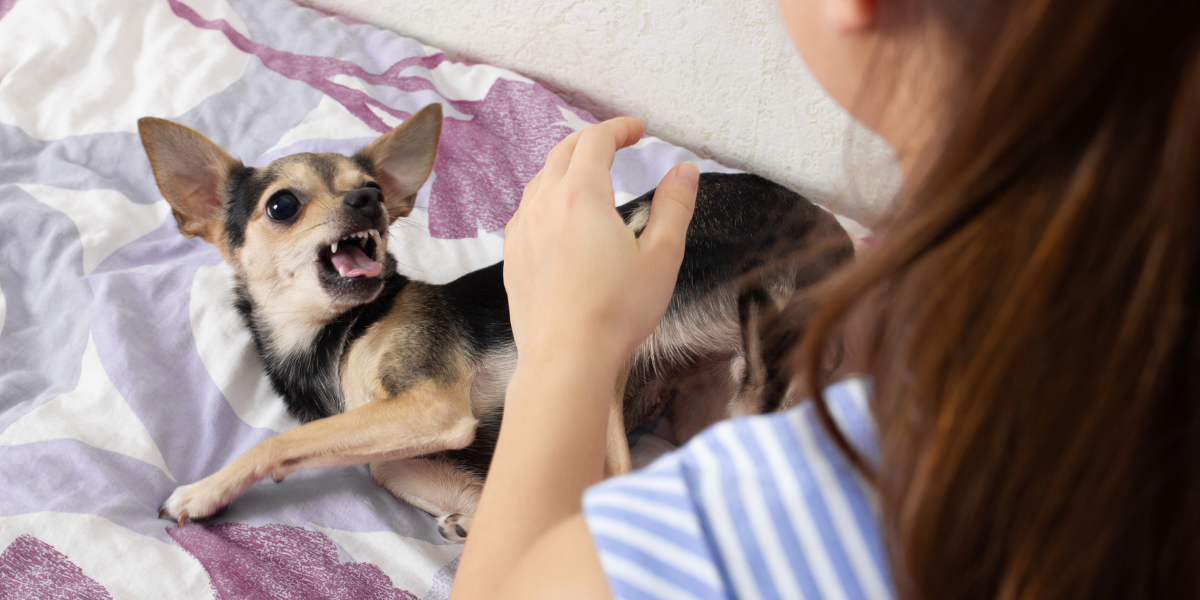
The moments following a severe animal attack are chaotic and terrifying, especially when the injuries involve the face. Whether the incident occurred near a familiar neighborhood park in Huntsville or a friend’s property in Florence, a facial dog bite leaves more than just physical scars. The path to recovery involves navigating both complex medical treatments and challenging legal standards to ensure your future is protected.
How Does Alabama Law Apply to Facial Dog Bite Claims?
Alabama law applies a strict liability standard if an unprovoked dog bites you on the owner’s property, regardless of the animal’s past behavior. For attacks occurring off the property, you generally must prove the owner’s negligence or prior knowledge of aggressive tendencies.
The legal framework surrounding animal attacks in our state combines statutory law with traditional common law principles. Under Alabama Code § 3-6-1, the owner of a dog is strictly liable for your damages if the animal attacks you without provocation while you are legally on their property. This means that if you are a welcome guest at a friend’s home or a contractor performing work, the owner is responsible for their animal’s actions even if the dog has never shown a hint of aggression before.
However, the legal landscape changes if the attack happens off the owner’s premises. If you are walking your own dog down a sidewalk near Memorial Parkway and a loose animal attacks you, the strict liability statute may not apply. Instead, your attorney will likely need to prove that the owner was negligent perhaps by violating a local leash law or rely on the “one-bite rule.” This common law principle requires demonstrating that the owner knew, or should have known, that the dog had a dangerous propensity to bite.
This split in the legal standard highlights why a thorough investigation is necessary. We often need to uncover neighborhood complaints, veterinary records, or previous animal control reports to establish a pattern of aggression.
- Strict Liability: Applies to unprovoked attacks occurring on the dog owner’s property.
- Negligence: Often required for off-property attacks, showing the owner failed to exercise reasonable care.
- Scienter (Knowledge): Proving the owner knew the dog was dangerous, fulfilling the one-bite rule requirement.
- Provocation: A common defense where the owner claims you agitated the animal, negating their liability.
The Complex Anatomy of Facial Injuries
When a large breed dog targets a victim, the face is highly vulnerable, especially for young children whose height puts them directly in the animal’s strike zone. The resulting trauma is rarely a simple puncture wound. The jaws of a powerful dog can exert hundreds of pounds of pressure per square inch, causing catastrophic crushing and tearing of the delicate structures of the face.
The human face is a dense, complex web of muscles, blood vessels, and nerves responsible for everything from speaking and eating to expressing subtle emotions. When canine teeth penetrate this tissue, they often slice through the facial and trigeminal nerves. This can result in partial or total facial paralysis, leaving the victim unable to close an eye, smile symmetrically, or retain saliva. Additionally, the sheer compressive force frequently fractures the underlying skeletal structure, including the orbital bones surrounding the eyes, the maxilla (upper jaw), and the mandible (lower jaw).
Repairing this level of devastation requires highly specialized surgical intervention. A maxillofacial surgeon and a plastic surgeon must work collaboratively to debride the dead tissue, realign the shattered bones with micro-plates and screws, and delicately reconnect severed nerves under microscopic magnification. Even with the highest level of medical care available in the Tennessee Valley, the victim faces a grueling recovery process. The initial surgeries are often just the beginning, as scar contracture where the healing skin tightens and pulls the facial features out of alignment frequently necessitates multiple revision procedures over several years.
What Are the Most Common Physical Consequences of a Facial Dog Attack?
The most common physical consequences of a facial dog attack include severe tissue tearing, permanent scarring, fractured facial bones, and nerve damage. Victims routinely endure multiple reconstructive surgeries and face a high risk of dangerous bacterial infections that severely complicate the healing process.
Because a dog’s teeth are designed to grip and tear, pulling away during an attack often results in avulsion injuries, where significant portions of skin and muscle are completely removed. These injuries cannot simply be stitched closed; they require complex skin grafting, tissue flaps, and extensive reconstructive planning to restore any semblance of the patient’s original appearance.
- Avulsion Injuries: Loss of cheek, lip, or nasal tissue requiring skin grafts from other parts of the body.
- Orbital Trauma: Damage to the bones around the eye, threatening the victim’s vision and tear duct functionality.
- Nerve Severance: Permanent loss of sensation or motor control in sections of the face.
- Hypertrophic Scarring: Thick, raised, and discolored scars that require steroid injections or laser therapy to flatten and soften.
The Severe Risk of Infection and Disease Transmission
Beyond the immediate mechanical damage caused by the bite, the medical team must aggressively manage the risk of infection. A dog’s mouth harbors a massive array of bacteria that are deeply injected into the victim’s tissues during a puncture wound. If not treated rapidly, these pathogens can cause widespread systemic infections that are far more dangerous than the initial trauma.
Pasteurella multocida and Capnocytophaga canimorsus are common bacteria found in canine saliva that can cause rapidly spreading cellulitis, tissue necrosis, and, in severe cases, life-threatening sepsis. Victims must receive powerful intravenous antibiotics immediately. Furthermore, if the attacking dog’s vaccination history cannot be verified, the victim must undergo a painful and expensive series of post-exposure rabies inoculations. Tetanus boosters are also a standard requirement.
The presence of infection dramatically delays the reconstructive timeline. Surgeons cannot safely close a highly contaminated wound or perform delicate nerve grafts while bacteria are actively destroying the surrounding tissue. This delay often exacerbates the eventual scarring and prolongs the victim’s physical suffering.
Where Should I Seek Medical Treatment After a Dog Bite in North Alabama?
You should immediately seek emergency medical treatment at a comprehensive facility like Huntsville Hospital, North Alabama Medical Center, or Crestwood Medical Center. Prompt evaluation by trauma specialists is necessary to thoroughly clean the wound, administer infection protocols, and consult with reconstructive surgeons.
Delaying treatment not only puts your health at severe risk but also damages your potential legal claim. Insurance adjusters meticulously review medical records looking for a “gap in treatment”. If you wait days to see a doctor, the insurance company will argue that your injuries were not serious or were exacerbated by your own failure to seek prompt care. For facial trauma, visiting a small walk-in clinic is rarely sufficient.
- Huntsville Hospital: Houses the region’s only Level 1 Trauma Center, offering 24/7 access to trauma surgeons and specialized care for severe facial injuries.
- North Alabama Medical Center: Serves the Shoals area with comprehensive emergency surgical services necessary for stabilizing bite victims in Lauderdale County.
- Huntsville Hospital for Women & Children: Offers a dedicated pediatric emergency department, which is highly beneficial since young children are the most frequent victims of facial bites.
Documenting the Psychological and Emotional Devastation
While the lacerations and broken bones are thoroughly documented in medical charts, the psychological trauma of a disfiguring injury is often the most profound burden the victim carries. Our faces dictate how we present ourselves to the world. When that appearance is violently altered, the emotional fallout is devastating and long-lasting.
Victims frequently develop severe anxiety, major depressive disorder, and Post-Traumatic Stress Disorder (PTSD) in the wake of an attack. They may suffer from recurring night terrors, experience panic attacks when hearing a dog bark, and isolate themselves socially due to intense self-consciousness about their visible scarring. Children, in particular, may regress developmentally, perform poorly in school, and suffer from bullying.
Documenting this non-economic damage requires a strategic approach. We advise clients to keep a daily journal detailing their emotional struggles, pain levels, and how the injury restricts their ability to enjoy their normal life in the Tennessee Valley. Testimony from treating psychologists and counselors is vital to translating this invisible suffering into a tangible element of your legal claim.
Dealing with the Dog Owner’s Insurance Company
After a severe animal attack, you will likely be contacted by an adjuster representing the dog owner’s homeowner’s or renter’s insurance policy. It is vital to understand that this person is not calling to help you. Their job is to protect the insurance company’s profit margins by paying you as little as possible, or ideally, finding a reason to deny your claim entirely.
Adjusters often request a recorded statement under the guise of “getting the facts straight” or “processing your medical bills.” In reality, they are listening for any offhand comment they can use to establish contributory negligence. If you politely say, “I didn’t see the dog until it was too late,” they might argue you were not paying attention to your surroundings.
We strongly advise you to decline any requests for recorded statements and to avoid discussing the incident with anyone affiliated with the insurance carrier. Let your legal team handle all communications. Furthermore, insurance companies actively monitor social media profiles. Posting pictures of your recovery or discussing the attack online gives the defense ammunition to argue that your physical or emotional injuries are less severe than claimed.
What Damages Can I Recover for a Disfiguring Dog Bite in Alabama?
You can recover both economic and non-economic damages, including past and future medical expenses, lost wages, physical pain and suffering, and mental anguish. Cases involving facial disfigurement typically warrant significant non-economic damages due to the permanent psychological impact and visible scarring.
Valuing a facial injury claim is a complex process that should never be rushed. We must wait until you reach Maximum Medical Improvement (MMI) before issuing a demand package. Settling too early means you will be personally financially responsible for future scar revision surgeries or long-term psychiatric care.
- Medical Bills: Compensation for emergency room visits, reconstructive surgeries, hospital stays, and rehabilitation.
- Future Medical Costs: Projected expenses for necessary future procedures, such as laser scar treatments or nerve grafts.
- Lost Earnings: Reimbursement for the paychecks you missed while hospitalized or recovering at home.
- Pain and Suffering: Financial recovery for the severe physical agony and ongoing discomfort caused by the attack and subsequent surgeries.
- Subrogation Management: Your attorney will negotiate with your health insurance provider (like Blue Cross and Blue Shield of Alabama) to reduce their reimbursement liens, keeping more of the settlement in your pocket.
How Long Do I Have to File a Dog Bite Lawsuit in Alabama?
Under Alabama Code § 6-2-38, you have two years from the date of the dog attack to file a personal injury lawsuit. Failing to file within this strict statutory deadline will result in the court permanently dismissing your case, barring any financial recovery.
While two years may sound like an adequate timeframe, the legal and medical processes consume this time quickly. Identifying the correct defendant, gathering animal control records, waiting for your facial injuries to stabilize, and negotiating with obstinate insurance carriers takes months.
- Madison County Cases: Lawsuits are generally filed in the Circuit Court at the Madison County Courthouse on North Side Square.
- Lauderdale County Cases: Litigation proceeds through the Lauderdale County Courthouse located in Florence.
- Statute for Minors: If the victim is a minor, the statute of limitations may be tolled, but delaying the investigation heavily compromises the preservation of critical evidence.
Frequently Asked Questions About Dog Bites in North Alabama
Does the dog owner’s homeowner’s insurance cover my facial injuries?
Yes, homeowner’s and renter’s insurance policies generally provide liability coverage for animal attacks. The insurance company is usually the entity paying the settlement or verdict, meaning you are recovering funds from a corporation, not personally bankrupting your neighbor.
What happens if the dog has never shown aggression or bitten anyone before?
You can still pursue compensation. If the attack occurred on the dog owner’s property, Alabama applies strict liability, meaning the dog’s past behavior is irrelevant. For off-property bites, your attorney must prove the owner was negligent in their handling of the animal.
Can I file a legal claim if I was petting the dog when it suddenly bit my face?
You may still have a valid claim, but the insurance company will argue that you “provoked” the animal or assumed the risk. Proving that your actions were reasonable and did not constitute legal provocation under Alabama law is vital to your case.
Will my own health insurance pay for my reconstructive surgeries?
Yes, your health insurance should cover your immediate and ongoing medical treatments. However, under the rule of subrogation, your health insurer will legally seek reimbursement from your final dog bite settlement for the medical bills they paid on your behalf.
How much is a facial disfigurement injury claim worth in Alabama?
The value of your claim depends on the severity of the scarring, the cost of future reconstructive surgeries, and the documented psychological trauma. Claims involving permanent facial injuries typically warrant significant compensation because of the profound and lifelong emotional distress involved.
Should I accept the initial settlement check from the dog owner’s insurance?
No, you should never accept an initial offer or sign a liability release without professional legal guidance. Early offers are designed to save the insurance company money and rarely account for future surgical needs or the long-term psychological toll of your injuries.
What should I do if the dog owner claims I was trespassing on their property?
Trespassing is a strong defense against strict liability in Alabama. Your legal team will need to gather evidence, such as previous invitations, implied consent, or the nature of your visit, to prove you had a legal right to be on the premises when the attack occurred.
How long does it take to reach a settlement in a severe dog bite case?
The timeline varies widely. We must wait until you reach Maximum Medical Improvement (MMI) before issuing a demand, which can take a year or more for facial reconstruction. Once negotiations begin, a settlement can be reached in months, or it may require a lengthy trial.
Protecting Your Rights After a Severe Dog Attack
The physical and emotional toll of a disfiguring facial dog bite is a heavy burden to bear. At Hodges Trial Lawyers, our mission is to cut through the bureaucratic roadblocks erected by insurance carriers to minimize your suffering. We work diligently to ensure your medical narrative is thoroughly documented and that negligent pet owners are held accountable. We handle the communication with adjusters and the complexities of the litigation process so you can focus entirely on your recovery.
Contact us for a consultation. Whether you live in Huntsville, Florence, or the surrounding North Alabama communities, we are ready to help you navigate the road to a fair recovery and protect your rights under Alabama law.