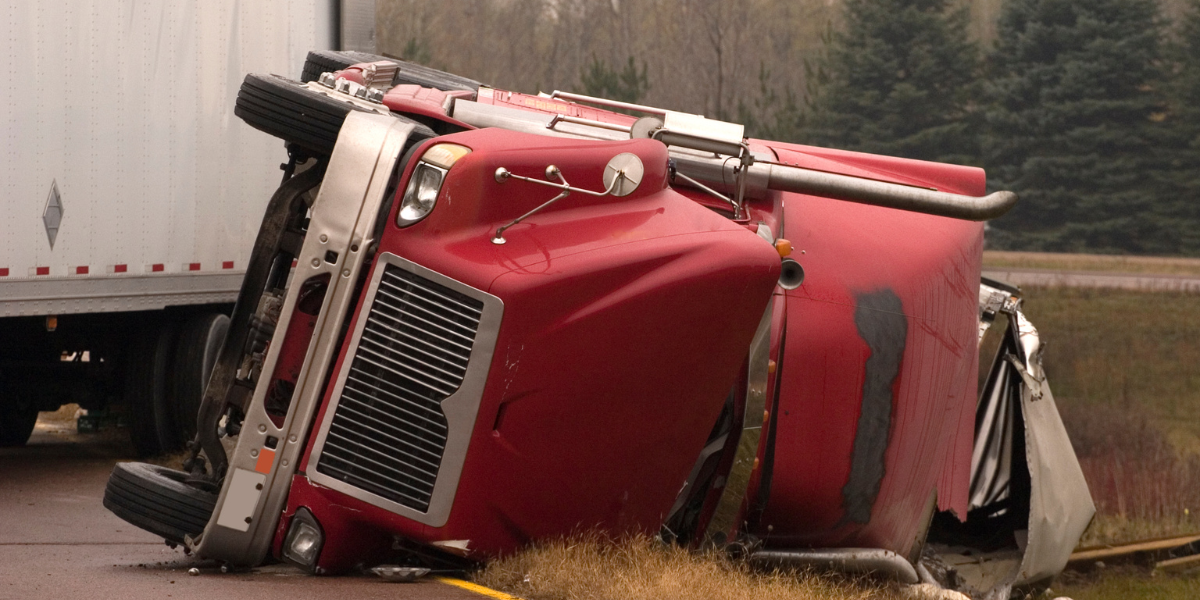
The sheer violence of a collision with a commercial truck is unforgettable. The sound of crunching metal, the force of the impact, and the sudden chaos can leave anyone shaken. In the immediate aftermath, your first thought might be one of relief if you can walk away from the wreckage. You might feel sore, bruised, and disoriented, but you may believe you have escaped any serious harm. However, the human body has a way of masking trauma, and the true extent of injuries from a tractor-trailer wreck may not be apparent for hours, days, or even weeks.
Why Do Injuries from a Truck Wreck Sometimes Appear Later?
It can be confusing when significant pain or other symptoms surface long after the accident. This delay is a known medical phenomenon driven by the body’s natural response to trauma. When you experience a sudden, violent event like a big rig crash, your body floods with adrenaline and endorphins.
- Adrenaline: Often called the “fight or flight” hormone, adrenaline increases your heart rate and blood pressure while sharpening your focus. Critically, it also acts as a powerful pain suppressant, allowing you to function during a crisis without being overwhelmed by physical agony.
- Endorphins: These are the body’s natural painkillers. Released during times of extreme stress or injury, they interact with receptors in your brain to reduce your perception of pain, similar to the effects of opioid medications.
Once these chemicals recede, the underlying pain from injuries begins to set in. Furthermore, some types of injuries, particularly soft tissue damage, involve inflammation and swelling that take time to develop. What starts as minor stiffness can evolve into severe pain as the tissue becomes more inflamed.
What Are Common Delayed-Onset Physical Injuries?
The massive force generated in a collision with an 80,000-pound truck can cause a wide array of injuries, many of which are not immediately obvious. Be vigilant for the following symptoms.
- Head Injuries and Traumatic Brain Injury (TBI): You do not have to lose consciousness to have sustained a serious brain injury. The violent jolting of the head can cause the brain to strike the inside of the skull. Watch for persistent headaches, dizziness, confusion, memory loss, nausea, blurred vision, ringing in the ears (tinnitus), or unusual fatigue.
- Neck and Shoulder Injuries: Whiplash is one of the most common delayed injuries. It occurs when the head is snapped forward and backward rapidly, damaging the muscles, ligaments, and tendons in the neck. Symptoms include neck pain and stiffness, loss of range of motion, headaches at the base of the skull, and pain that radiates into the shoulders and arms.
- Back Injuries: Pain in the upper, middle, or lower back can appear long after a wreck. This could indicate a sprain, strain, or a more serious condition like a herniated or bulging disc. If you experience numbness, tingling, or weakness in your legs, it could be a sign of nerve compression (sciatica) that requires immediate medical attention.
- Internal Injuries: Damage to internal organs can lead to internal bleeding, which is a life-threatening emergency. Symptoms can be subtle at first but may include abdominal pain or swelling, deep bruising on your torso, dizziness, and fainting.
- Blood Clots: Immobility after an accident, combined with trauma to blood vessels, can lead to the formation of blood clots, often in the legs (deep vein thrombosis or DVT). Signs include swelling, pain, tenderness, and a warm sensation in the affected leg. A DVT is extremely dangerous if a piece of the clot breaks off and travels to the lungs, causing a pulmonary embolism.
- Nerve Damage: The impact of a crash can stretch, pinch, or sever nerves. This can result in numbness, tingling, burning sensations, or muscle weakness in the hands, arms, feet, or legs that may not become apparent right away.
Can a Truck Accident Cause Delayed Psychological and Emotional Symptoms?
The trauma of a truck accident is not just physical. The psychological impact can be just as debilitating and often takes time to fully manifest as you process the near-death experience.
- Post-Traumatic Stress Disorder (PTSD): Many accident survivors develop PTSD. Symptoms can include vivid flashbacks of the crash, recurring nightmares, severe anxiety, and emotional numbness. You might find yourself actively avoiding driving or even being a passenger in a vehicle.
- Anxiety and Depression: It is common to experience heightened anxiety, panic attacks, or persistent feelings of sadness and hopelessness after a traumatic event. You may lose interest in activities you once enjoyed, experience changes in sleep or appetite, and struggle with irritability.
- Cognitive Changes: Often linked to a TBI, changes in cognitive function can include difficulty concentrating, problems with short-term memory, and even noticeable personality shifts like increased agitation or mood swings.
What Steps Should You Take If Symptoms Appear Later?
If you begin experiencing any new physical or psychological symptoms after a commercial truck crash, you must act promptly to protect both your health and your potential legal claim.
- Seek an Immediate Medical Evaluation: The most important step is to see a doctor without delay. Explain that you were in a truck accident and that these symptoms have recently developed. An accurate medical diagnosis is vital for your recovery and creates an official record linking your condition to the crash.
- Document Everything: Keep a detailed journal. Record your symptoms, pain levels, and any ways your injuries are impacting your daily activities, work, or relationships. Keep a file with all medical bills, reports, and receipts for any related expenses.
- Follow Your Doctor’s Orders: Adhere strictly to the treatment plan prescribed by your medical team. This includes attending all follow-up appointments, going to physical therapy, and taking medications as directed. Failing to do so can give an insurance company an excuse to argue your injuries are not as serious as you claim.
- Notify the Insurance Company: You should inform the insurance company of your updated medical status. However, be cautious. Do not provide a recorded statement or accept any settlement offer without first seeking legal advice.
How Can Delayed Symptoms Affect a Truck Accident Claim in Alabama?
Insurance adjusters for trucking companies are trained to be skeptical. When an injury is not documented in the initial emergency room visit or police report, they will often try to argue that it is unrelated to the accident. They may claim your condition was pre-existing or caused by some other event that occurred after the crash.
This makes establishing causation—proving the accident caused your delayed injury—a central challenge. This is where thorough medical records, testimony from your doctors, and sometimes opinions from medical professionals are necessary.
Furthermore, Alabama operates under a legal doctrine of pure contributory negligence. This is one of the strictest standards in the nation. It means that if you are found to be even 1% at fault for the accident, you are completely barred from recovering any compensation. Insurance companies know this and will scrutinize your every action and statement to find any way to shift a small portion of the blame onto you, thereby avoiding financial responsibility for even the most severe injuries caused by their driver.
What Compensation Can Be Pursued for Delayed Injuries?
If it can be proven that the truck driver or trucking company was negligent and that their negligence caused your injuries, you may be entitled to recover compensation for all of your losses. A comprehensive claim should account for every way the injury has affected your life.
- Medical Expenses: This includes all costs for past, present, and future medical care, from hospital stays and surgeries to physical therapy, medication, and any necessary long-term care.
- Lost Wages: Compensation for the income you were unable to earn while recovering.
- Loss of Earning Capacity: If your delayed injury results in a permanent disability that limits your ability to work or forces you into a lower-paying job, you can pursue damages for this future loss of income.
- Property Damage: The cost to repair or replace your vehicle and any other personal property destroyed in the crash.
- Pain and Suffering: Damages for the physical pain, discomfort, and limitations caused by your injuries.
- Emotional Distress and Mental Anguish: Compensation for the psychological impact of the accident, including PTSD, anxiety, and depression.
Why Commercial Truck Accidents Demand a Different Approach
Collisions involving large commercial trucks are fundamentally different from typical car accidents. The sheer size and weight of a fully loaded tractor-trailer mean the forces involved are exponentially greater, leading to more catastrophic damage and severe injuries.
Liability is also far more complex. In a car wreck, you are typically dealing with another driver. In a truck crash, multiple parties could be at fault, including:
- The truck driver
- The trucking company (for negligent hiring, poor training, or pressuring drivers to violate safety rules)
- The maintenance company responsible for the truck’s upkeep
- The manufacturer of a defective truck part
- The company that loaded the cargo improperly
These cases involve navigating a complex web of federal and state regulations, preserving evidence like driver logs and vehicle data recorders, and fighting against massive insurance companies with teams of lawyers dedicated to protecting their bottom line.
Injured in an Alabama Truck Wreck? We Can Help.
If you begin to experience pain or other symptoms days or weeks after a commercial truck accident, do not dismiss it. Seek medical help immediately and then take action to protect your rights. The legal team at Hodges Trial Lawyers is dedicated to holding negligent drivers and powerful trucking corporations accountable for the harm they cause. We have the resources and determination to investigate complex accidents, work with medical and industry professionals, and build a compelling case designed to overcome the challenges of Alabama law.
You should not be left to bear the financial, physical, and emotional costs of a trucking company’s failure to prioritize safety. Contact us today at 256-826-4129 for a free, no-obligation consultation to discuss your case and learn how we can assist you.